Latest Medtech News
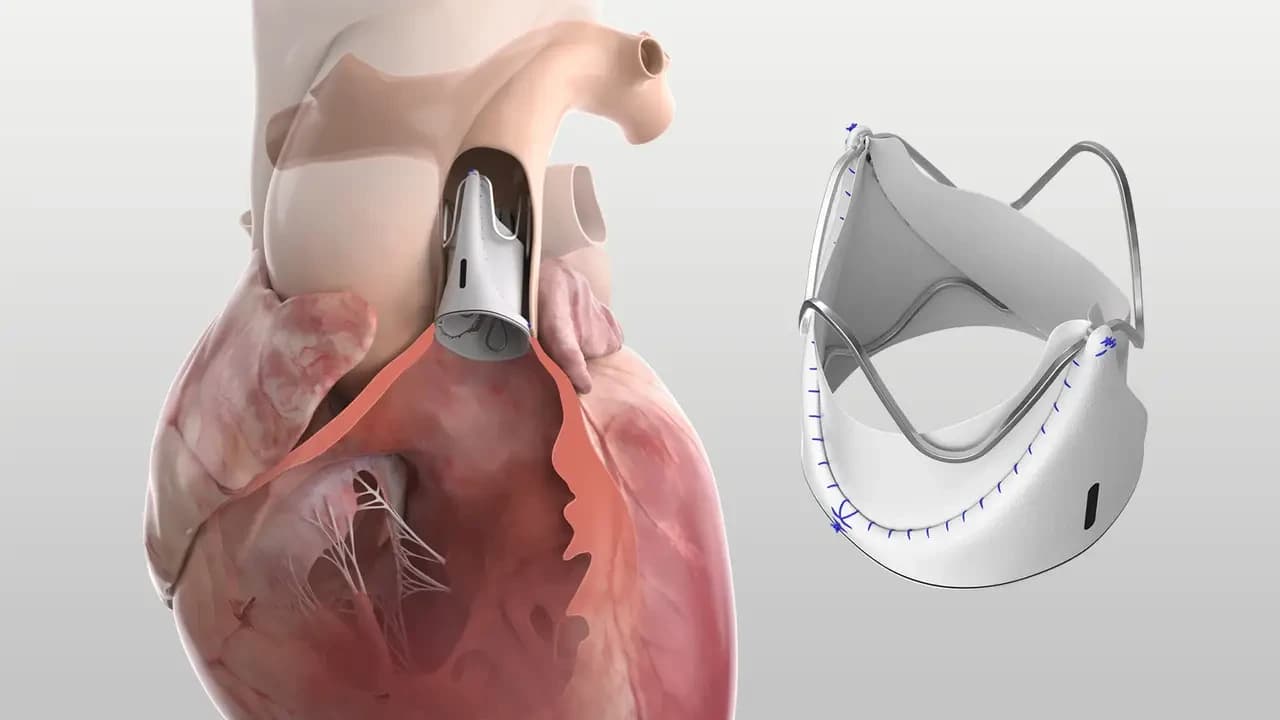
Edwards Lifesciences has received FDA approval for the AUTUS Size-Adjustable Valve, a surgical pulmonary valve designed for pediatric patients with congenital heart disease who need pulmonary valve replacement. The company describes it as the first FDA-approved surgical pulmonary valve built for pediatric anatomy that can be expanded as a child grows. Expansion is performed through a minimally invasive transcatheter procedure, which may reduce the need for repeat open-heart surgeries.
As an executive search partner to the MedTech industry, Guided Solutions keeps a close eye on stories like this one. Subscribe to our Industry Insights for weekly coverage.
Approval rested on a pivotal study that met its primary safety and effectiveness endpoints. All patients were free from device-related complications through 30 days, and no AUTUS valve reinterventions were needed through six months. Edwards reports consistent one-year outcomes among patients who completed that follow-up, with low gradients, less than moderate regurgitation, and no reinterventions. Patients will be followed for 10 years. The device previously held FDA Breakthrough Device designation.
For Edwards, the approval adds a dedicated pediatric valve to a congenital portfolio that includes SAPIEN 3, the Alterra Adaptive Prestent, and pediatric atrioseptostomy catheters. CEO Bernard Zovighian called it "a meaningful advancement for children who have historically had limited treatment options."
For the broader MedTech space, the approval arrives with open questions. The FDA has noted that long-term data on whether repeated expansion keeps the valve functional remain limited, which is why the 10-year follow-up matters. Pediatric devices have long lagged adult cardiac technology in investment and approvals.