Latest Medtech News
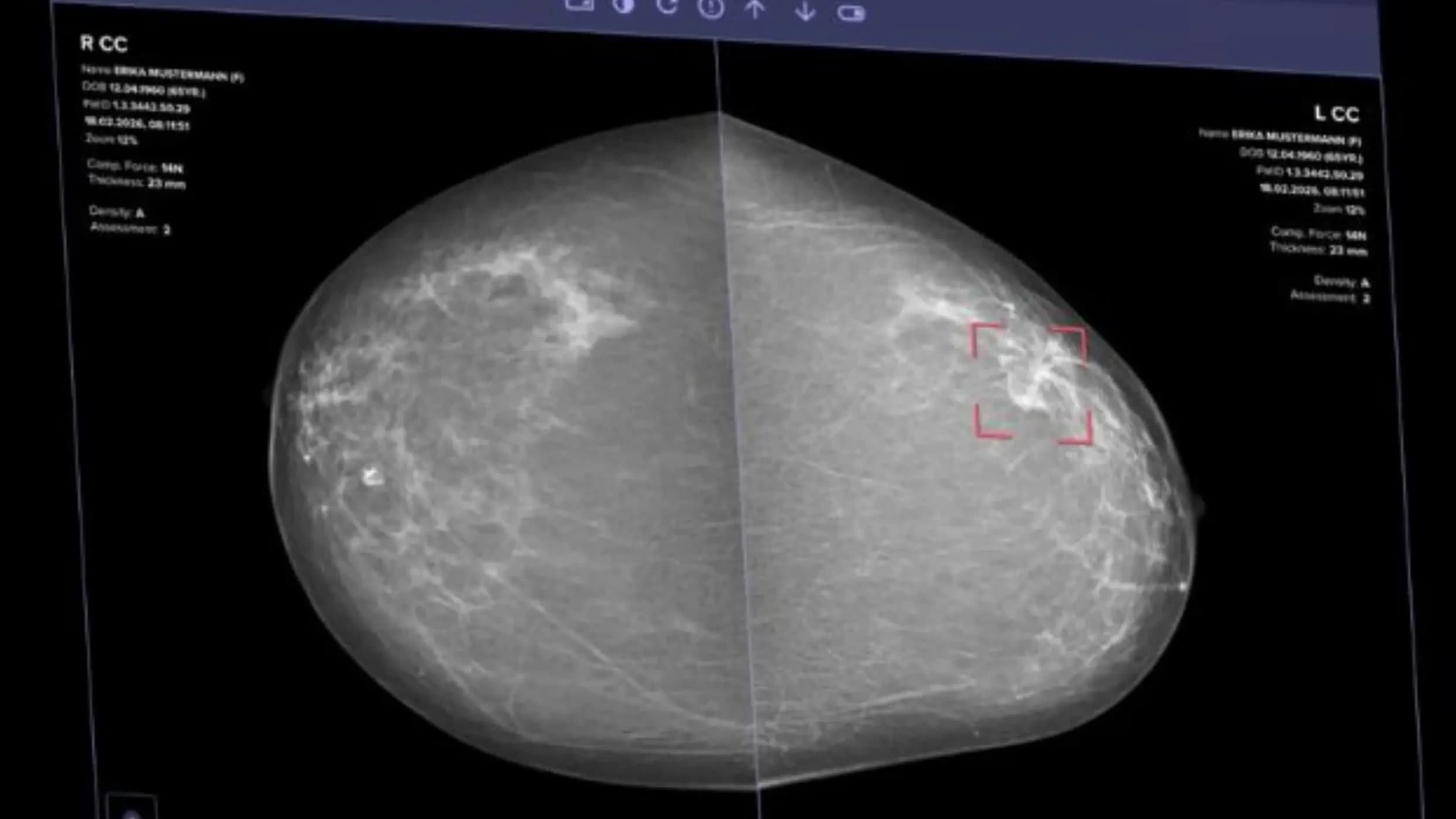
Vara, a Berlin-based company operating as MX Healthcare GmbH, has received Class IIb certification under the EU Medical Device Regulation for autonomous triage in organized breast cancer screening, allowing its AI system to report certain mammograms as clearly normal without a radiologist review. The company says it is the first breast-screening AI to receive clearance for this fully autonomous mode.
As an executive search partner to the MedTech industry, Guided Solutions keeps a close eye on stories like this one. Subscribe to our Industry Insights for weekly coverage.
The scope is deliberately narrow. The system only closes out cases it classifies as clearly normal, roughly 97% of screening mammograms fall into that category, while everything else routes to standard radiologist reading. The clearance applies to population screening programs, not diagnostic or symptomatic imaging. Underpinning the certification is Vara's ATMON safety layer, which continuously monitors cancer detection rates, recall rates, and hardware or performance shifts at each deployed site, automatically reverting a site to full radiologist reading if metrics drift outside defined limits. CTO Stefan Bunk credited seven years of continuous real-world monitoring as central to earning the clearance, rather than the underlying AI model alone.
The company's broader evidence base includes the PRAIM study, published in Nature Medicine in 2025, which followed more than 460,000 women across 12 German sites and found AI-supported reading (a double-reading support mode, distinct from the newly certified autonomous mode) associated with higher cancer detection and slightly lower recall rates than standard reading alone.
For Vara, the clearance builds on an existing footprint in more than half of Germany's organized screening programs, processing upward of 250,000 scans monthly. For the broader MedTech space, it marks a category shift from AI tools that flag findings for radiologist review toward AI authorized to independently close out a defined subset of cases, arriving as European screening programs manage growing exam volumes against a radiology workforce that isn't expanding at the same pace. Adoption now depends on individual national screening programs and their clinical guidelines; high-risk obligations under the EU AI Act do not apply to devices in this class until August 2028.