Latest Medtech News
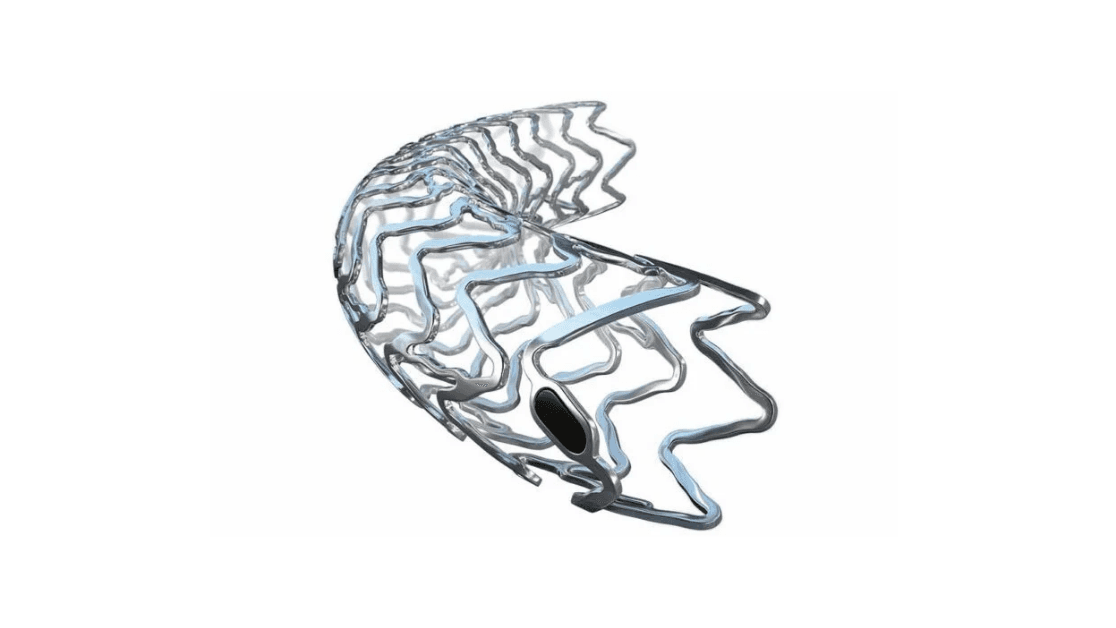
Teleflex has received FDA Breakthrough Device designation for its Freesolve RMS, a resorbable magnesium scaffold for percutaneous coronary intervention (PCI). The catheter-delivered device already carries CE marking and is available in Asia-Pacific, South American, and Middle Eastern markets. It previously received a Breakthrough designation for below-the-knee applications.
As an executive search partner to the MedTech industry, Guided Solutions keeps a close eye on stories like this one. Subscribe to our Industry Insights for weekly coverage.
Freesolve uses a proprietary magnesium alloy and a bioabsorbable coating to support the vessel during and after implantation. About 99% of the magnesium is absorbed within a year, which Teleflex says keeps options open for future therapies. The company positions it as a way to reduce permanent implants and as a possible alternative to drug-coated balloons where temporary scaffolding is needed.
In the BIOMAG-I first-in-human study, Teleflex reports a 3.5% target lesion failure rate at four years, with no new clinical events between years two and four. The BIOMAG-III pivotal trial began enrolling in June to support a future PMA application. Teleflex acquired the device with Biotronik’s Vascular Intervention business in 2025.
For Teleflex, the designation moves the product closer to U.S. entry, with Interventional President Jason Fontana pointing to a “leave-nothing-behind approach.” For the broader MedTech space, bioresorbable scaffolds have a mixed history, since earlier polymer-based versions were withdrawn from the market. Magnesium-based designs and long-term data are where that debate now sits.