Latest Medtech News
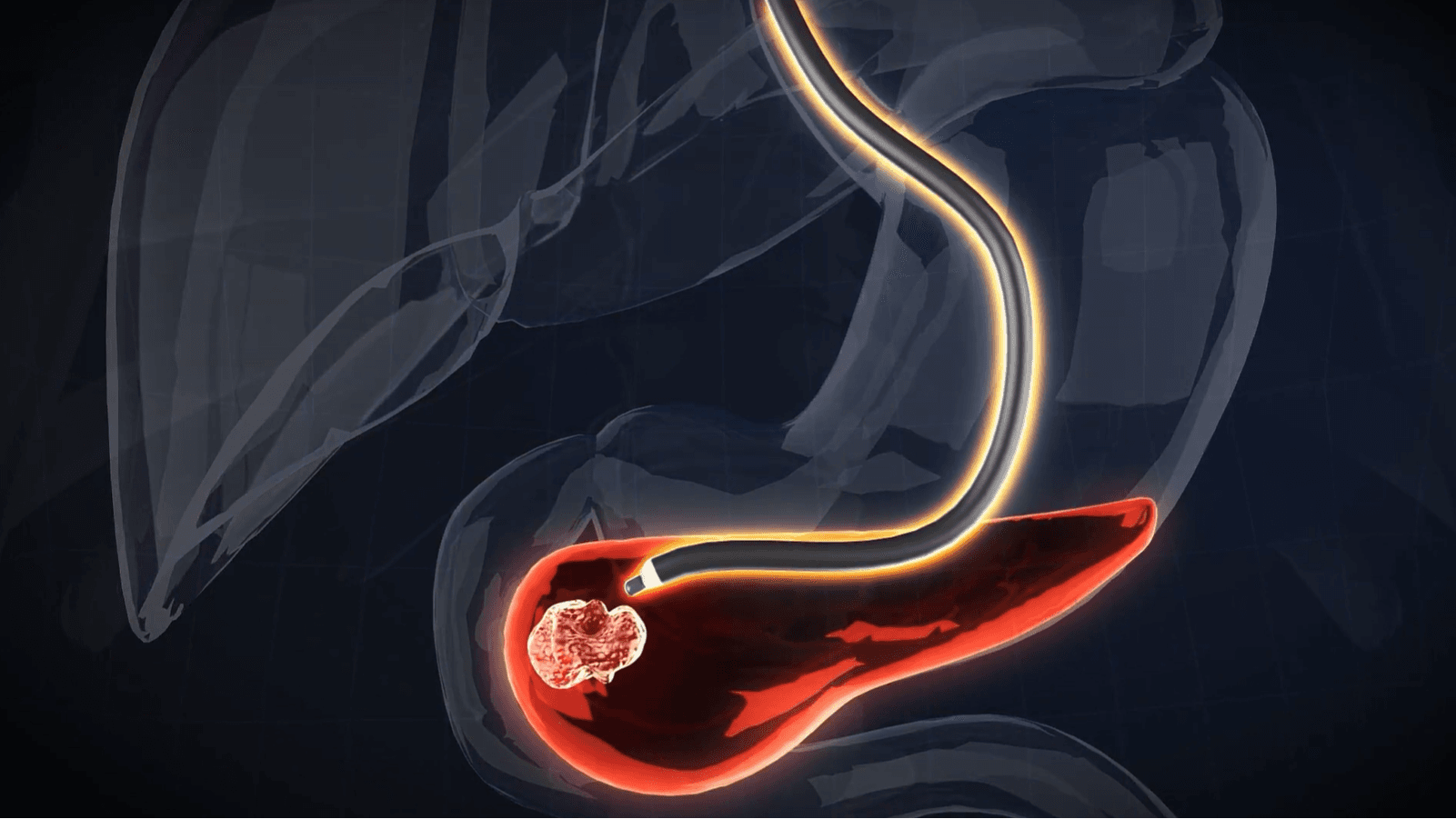
The FDA has granted OncoSil Medical a humanitarian device exemption for its OncoSil system to treat distal cholangiocarcinoma, a rare bile duct cancer. The Australian company's device delivers targeted beta radiation directly into tumors via endoscopic ultrasound-guided injection, aiming to destroy cancer cells while sparing surrounding healthy tissue. The approval follows CE marking OncoSil received in 2020 for a related indication, locally advanced pancreatic cancer.
As an executive search partner to the MedTech industry, Guided Solutions keeps a close eye on stories like this one. Subscribe to our Industry Insights for weekly coverage.
Roughly 10,000 patients are diagnosed with distal cholangiocarcinoma in the US each year, according to the Cholangiocarcinoma Foundation, and outcomes remain poor: median overall survival has been reported as low as 6.7 months, largely because the disease is often caught late and existing options like stenting, chemotherapy, and standard radiation offer limited benefit. Under the HDE terms, OncoSil's US rollout starts small, capped at five treatment centers, as part of an FDA-mandated post-approval study enrolling 30 patients and following them for up to 24 months.
CEO Nigel Lange called the approval "the most significant milestone in OncoSil Medical's history."
The humanitarian device exemption pathway exists specifically for conditions affecting small patient populations where a full pivotal trial isn't practical, which is why the initial launch is deliberately narrow rather than a broad commercial rollout. OncoSil is targeting Q2 of fiscal year 2027 for its US launch, giving the company roughly a year to work through site selection, physician training, and reimbursement groundwork before treatment begins.