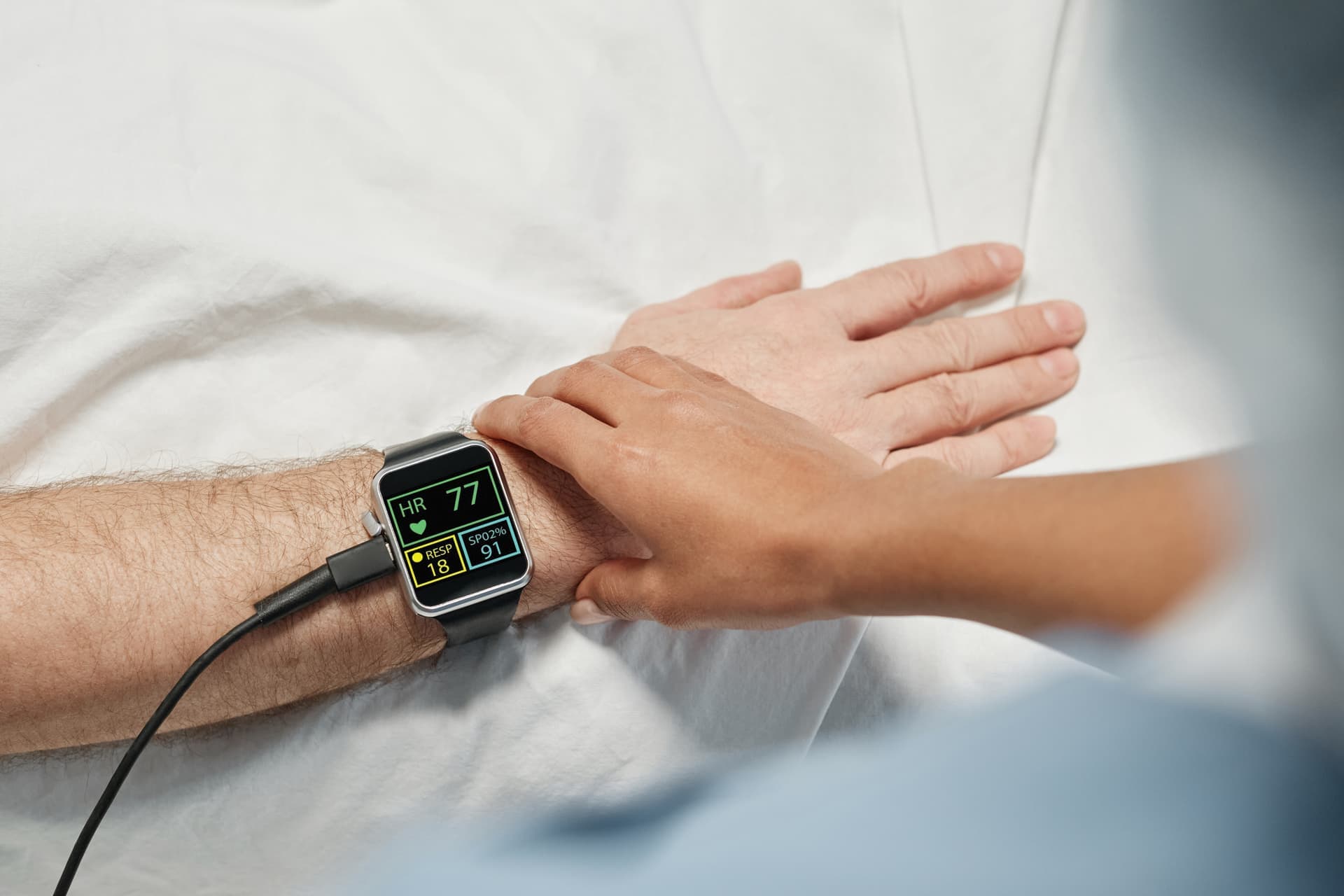
Wearable medical devices are redefining the boundary between clinical care and everyday health monitoring. The sector spans continuous glucose monitoring, cardiac rhythm management, pulse oximetry, smart patches, and a rapidly expanding category of connected devices bridging consumer health and regulated medical technology.
Driven by advances in sensor miniaturization, wireless connectivity, and cloud-based analytics, the global wearable medical devices market is projected to reach $421.5 billion by 2034, expanding at a CAGR of 25.7%.
Adoption is accelerating beyond traditional patient populations, with nearly one-third of Americans now using wearable health technologies. In 2024, FDA clearances for over-the-counter continuous glucose monitoring systems from Dexcom and Abbott signal that clinical-grade monitoring technologies are moving beyond episodic healthcare interactions and into everyday life.
The volume of real-world data these devices generate is also creating new opportunities in digital biomarker development, AI-assisted clinical decision-making and patient-friendly device design, making it one of the most rapidly evolving segments in healthcare today. In such a cross-disciplinary field, leadership requires uncommon clarity: a precise understanding of where the revenue model sits across consumer, clinical, and payer channels