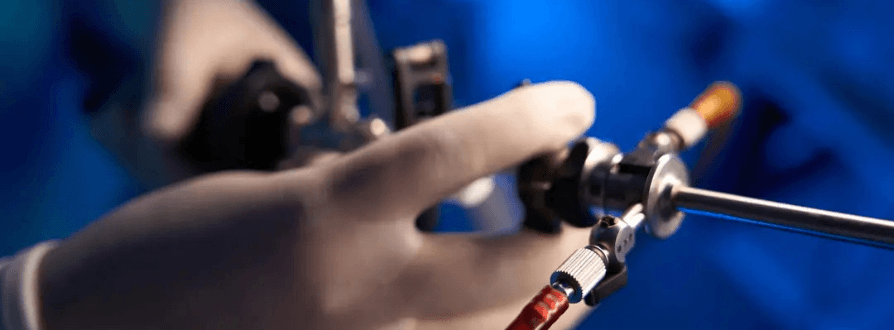
From endoscopy and laparoscopy to catheter-based therapies and image-guided interventions, the ambition to help patients recover faster while improving clinical outcomes is what drives minimally invasive medical devices. With over 86 million minimally invasive procedures performed globally, the market was valued at $81.65 billion in 2024 and is projected to reach $199 billion by 2030, growing at a CAGR of 16.1% - one of the strongest sustained growth rates across all medical devices.
Whether it is image-guided ablation and embolization to treat tumors with greater accuracy, or peripheral vascular stents pushing the limits of engineering, bringing such a device to market requires navigating the cutting edge of innovation.
As of 2024, industry analysis indicates that over half of surgical facilities identify insufficient minimally invasive-trained staff as an operational bottleneck. This is a constraint that runs in parallel with the technology curve and requires leadership with a rare combination of deep procedural and commercial understanding, as well as the ability to work closely with interventional specialists across complex environments.