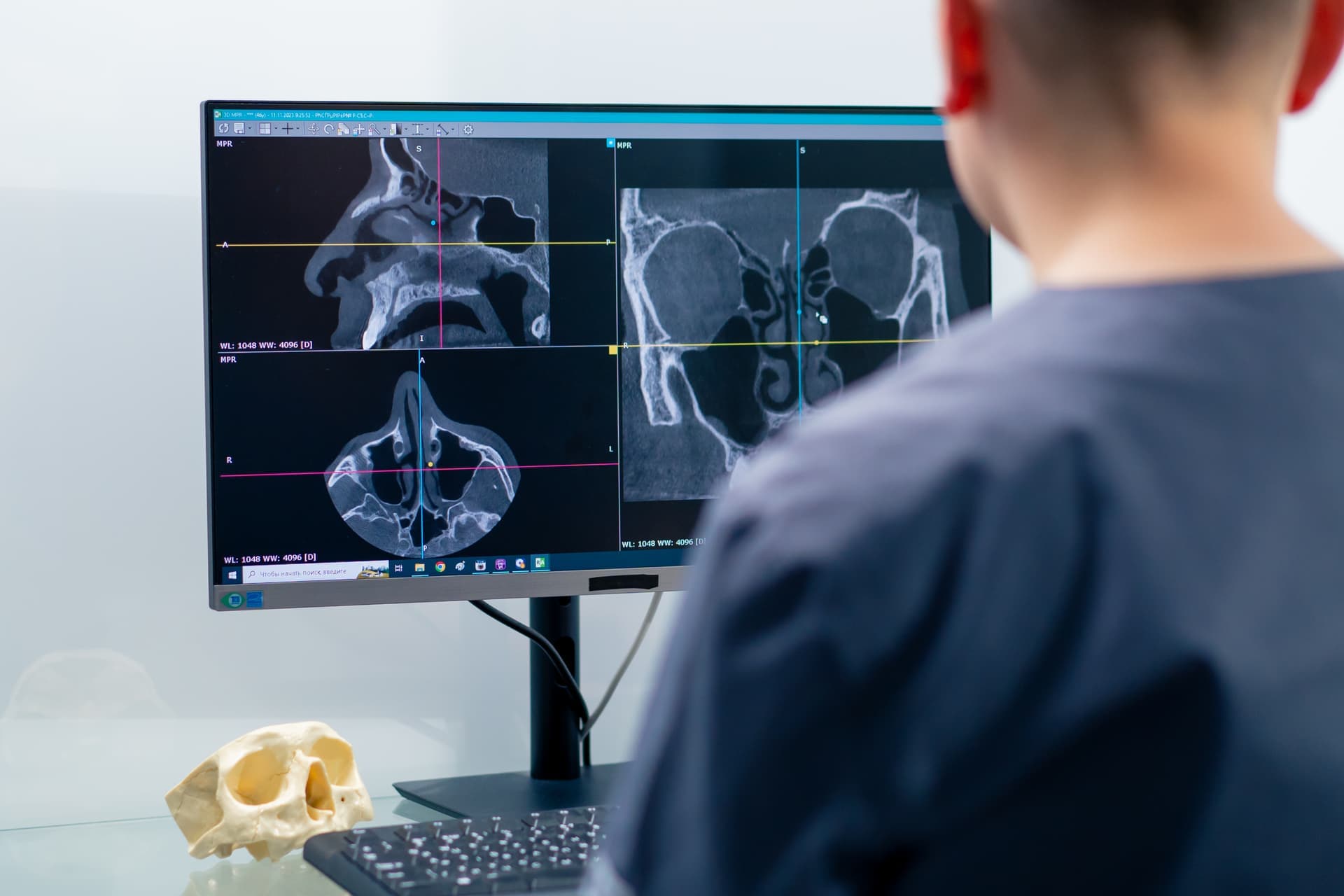
Medical imaging encompasses different modalities and medical devices, such as computed tomography (CT), magnetic resonance imaging (MRI), ultrasound, and X-ray, as well as in-vitro diagnostics, anatomical and digital pathology, point-of-care testing and radiology. MRI remains one of the world’s most essential diagnostic technologies, supporting an estimated 100-150 million scans annually.
These technologies help clinicians see what truly matters at every stage of the patient’s journey: from diagnosis and evaluation, to guiding procedures and monitoring recovery. Medical Imaging intersects with almost every other medical device vertical, making it one of the industry’s most strategically central segments.
Alongside established hardware and reagent businesses, a new generation of AI-powered image analysis and diagnostic decision support tools is changing how clinicians interpret data and prioritize intervention. By July 2025, the FDA had authorized more than 1,250 AI-enabled medical devices, with radiology representing the largest category at 956 authorized solutions. As healthcare systems in the US, UK, and other major markets face growing imaging demand alongside shortages of clinical radiologists, the effective integration of AI-driven technologies has become a strategic priority, creating demand for leaders who can bridge clinical workflows, software innovation, and regulatory complexity.
These changes create a demand for leaders who can navigate both the scientific and commercial complexity of this environment, respond to disruptions, and adapt to new technologies like AI and ML workflows.